Best Time for a Kenya Honeymoon
Last updated September 2026 · By the honeymoons.africa editorial team
A month-by-month guide to the Maasai Mara, migration, long and short rains, Kenyan coast and the best safari + beach combinations.
Month-by-month honeymoon guide
The short answer
Kenya does not have one simple national weather calendar. The Maasai Mara, central highlands and Indian Ocean coast respond differently to rain and altitude. Kenya Meteorological Department describes the country’s rainfall as broadly bimodal: the main long rains run March–May and the short rains October–December, while some coastal and western areas can also receive rain during June–August.
Migration caveat: wildebeest movement is driven by rainfall and grazing, not a booking calendar. July–October is the usual headline period in the Maasai Mara, but river crossings cannot be guaranteed for any particular date.
Best months at a glance
| Priority | Best window | Why |
|---|---|---|
| Best overall safari + beach | Jan–Feb, Jul–Oct | Strong wildlife plus generally good coast conditions. |
| Migration-focused Mara | Jul–Oct | Usual period for large herds in the Mara ecosystem; crossings remain unpredictable. |
| Best value good-weather option | Jan–Feb | Resident game is excellent and demand is usually below migration peaks. |
| Green + quieter safari | Jun, Nov | Fewer vehicles and attractive landscapes, accepting more weather variability. |
| Highest rain disruption risk | Apr–May | Main long-rain period; some camps close and roads can become difficult. |
| Best coast-led honeymoon | Jan–Mar, Jul–Oct | Strong beach windows, with local variation in wind and rainfall. |
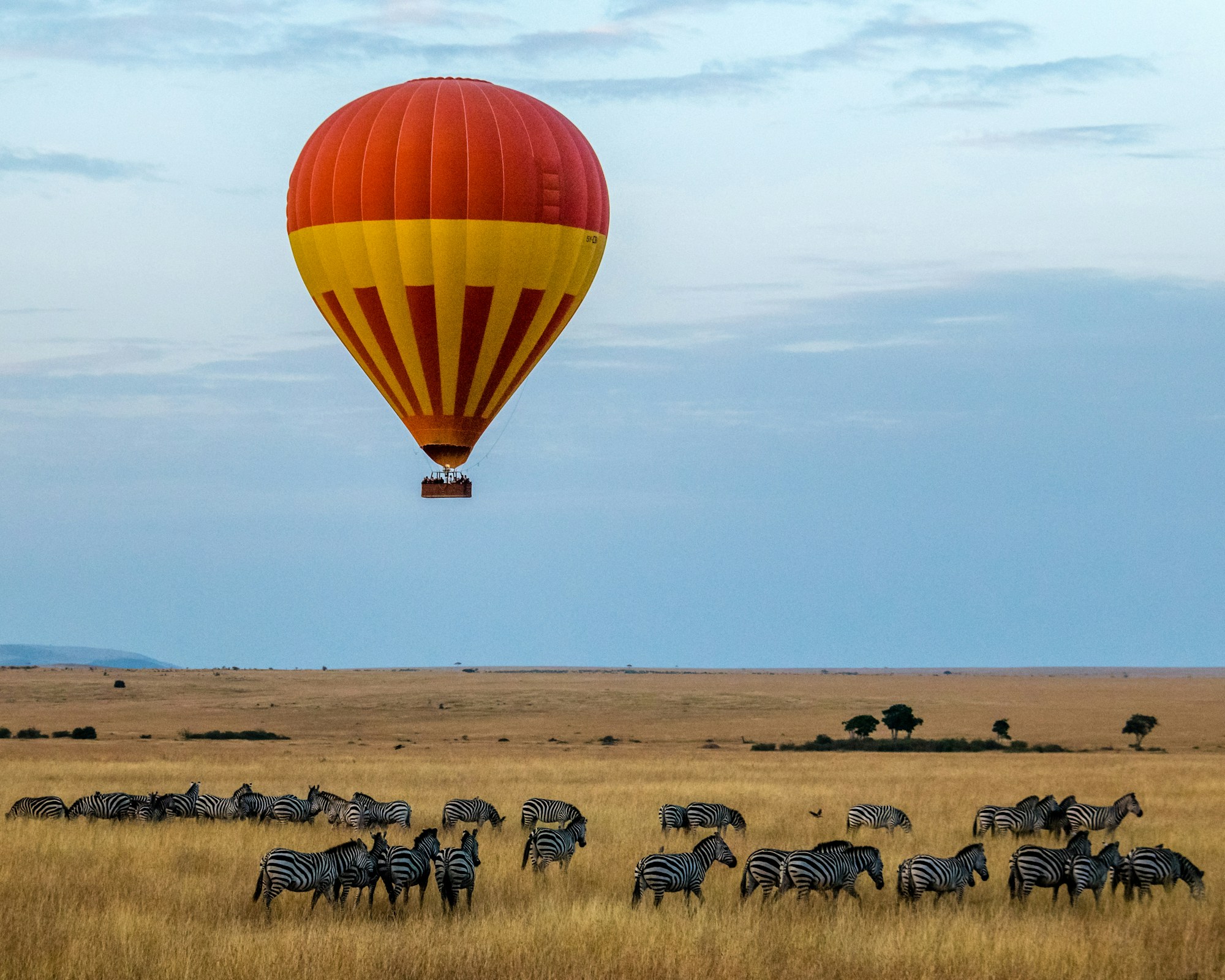
Kenya month by month
January
Warm, relatively dry and strong for resident game. Diani and Watamu are attractive after safari. A particularly good choice if you do not need migration crowds.
February
Hot and generally dry. Wildlife remains excellent, the coast is strong and safari demand is usually below July–September peaks.
March
Often starts well, then humidity and shower risk increase as the long rains approach. Earlier March is usually safer than late March for a tightly scheduled trip.
April
The highest-risk month for weather disruption in many safari areas. The landscape is beautiful and rates can fall, but muddy roads and camp closures can reduce flexibility.
May
Still part of the main long-rain season. Kenya Meteorological Department notes the coast can peak later than inland areas, so beach weather can be particularly variable.
June
Safari conditions improve as the main rains ease. Landscapes remain green, vehicle numbers are lower and pricing can be attractive before peak migration demand.
July
Cool mornings, dry conditions and the usual start of the headline migration period. Excellent for Mara + coast, but book early and expect higher prices.
August
One of the most popular wildlife months. Herd concentrations can be extraordinary, but so can vehicle numbers around famous sightings and river areas.
September
Dry-season safari remains strong and the coast pairs well. For couples balancing wildlife, weather and honeymoon comfort, September is one of the cleanest choices.
October
Often still excellent in the Mara, with warmer conditions as the short-rain season approaches. Herd locations vary from year to year.
November
Afternoon showers can return, but green scenery, lower vehicle numbers and softer rates can make this a very good honeymoon month for flexible couples.
December
Conditions are often attractive between showers, but Christmas and New Year can bring high rates and tight availability even outside migration season.
Best time for the Maasai Mara
If your priority is the famous migration spectacle, aim broadly for July through October. The Maasai Mara’s own current visitor information describes July as the period when the migration is fully underway, August as peak herd density, September as strong dry-season viewing and October as the period when herds often begin moving south again.
For a honeymoon, however, resident wildlife matters just as much. Lions, cheetahs, leopards, elephants and plains game do not leave after migration season. January–February can therefore deliver a more relaxed safari with excellent sightings and fewer vehicles.
Best time for Diani, Watamu and Lamu

January–March is hot and attractive for a coast-led honeymoon. July–October pairs especially well with safari, though coastal wind and sea conditions can vary. April–May carries the greatest long-rain risk. November–December can still work very well, but short showers and seasonal variability are part of the trade-off.
If diving is central, do not choose dates from a safari calendar alone. Kenya’s tourism information notes that some reef visibility can reduce during July–August because of rougher seas and silting, even when safari conditions inland are excellent.
Best time for Amboseli
Amboseli works year-round, but dry periods make wildlife easier to find around water and can improve road conditions. Clear Kilimanjaro views are never guaranteed; mornings often offer the best chance before cloud builds. If the Mara is the main event, use Amboseli as a two-night contrast rather than allowing its weather to dictate the whole honeymoon.
Best time for a Kenya safari + beach honeymoon
January–February is our favourite value-led combination: warm coast weather, strong resident wildlife and less migration pressure. September is one of the strongest premium combinations if you want the Mara at full dry-season intensity and the coast immediately afterwards.
June and November are more interesting than many generic guides suggest. They are not the most weather-certain months, but couples who prioritise privacy, green scenery and better pricing can get an excellent honeymoon by choosing camps and coast areas carefully.
If your wedding fixes the month
February wedding: excellent. Build a Mara or conservancy safari followed by Diani or Watamu and do not worry about missing the migration.
April wedding: possible, but choose camps known to operate through the rains, keep domestic flights flexible and accept that some roads or activities may be affected.
August wedding: perfect for migration-focused safari but expensive. Book the small safari camps first; the beach hotel is easier to replace.
November wedding: a strong value opportunity. Expect some showers but enjoy fewer vehicles and greener landscapes.
December wedding: excellent if you avoid assuming “green season” means cheap — festive dates can be among the most expensive of the year.
Our recommendation
If you can choose freely, pick late January through February for value and balance, or September for a premium migration-season safari + coast honeymoon. Choose July–August only when migration intensity matters enough to justify the crowds and price. Treat April–May as a specialist planning window rather than a blanket no-go.
Share your dates and budget and compare the Mara camp, conservancy and coast combination that makes sense for that exact period.
Get Kenya proposalsBest-time questions
What is the best month for a Kenya honeymoon?
February is one of the strongest value-led months, while September is an excellent premium choice for dry-season safari plus coast. July–October is best known for migration activity in the Maasai Mara.
When is the rainy season in Kenya?
Kenya Meteorological Department describes the main long rains as March–May and the short rains as October–December, although timing and intensity vary by region and year.
Is April or May a bad time for Kenya?
They are the highest-risk months for rain disruption, but not automatically impossible. Some camps close, roads can be difficult and the coast may be wet, while other properties remain open with lower rates and very green scenery.
When is the wildebeest migration in the Maasai Mara?
Large herds are usually associated with roughly July–October, but exact arrival, departure and river crossings depend on rainfall and grazing and cannot be guaranteed for specific dates.
Is January or February good for a Kenya safari and beach honeymoon?
Yes. These months are warm and relatively dry, resident wildlife viewing is excellent and the Kenyan coast is attractive, often with less safari demand than peak migration weeks.
Sources: Seasonal structure is based primarily on Kenya Meteorological Department climate reporting and current Maasai Mara visitor information. Kenya’s rainfall is increasingly variable, so check the latest official seasonal forecast again close to travel.

Start Planning Your Dream Honeymoon
Share a few details and we’ll introduce you to specialists who know your destination properly. Free, and no obligation.