12 nights · Northern Tanzania + Zanzibar
Tanzania and Zanzibar honeymoon itinerary: 12 nights, properly paced
Last updated September 2026 · By the honeymoons.africa editorial team
A Northern Circuit safari through Tarangire, Ngorongoro and the Serengeti, followed by five unhurried nights on Zanzibar.
A well-balanced 12-night route: one arrival night in Arusha, two nights in Tarangire, two around Ngorongoro, two in the Serengeti and five in Zanzibar. If the migration is your priority, move one beach night to the Serengeti.
Tanzania and Zanzibar honeymoon itinerary at a glance
Why Northern Tanzania and Zanzibar work so well
This is a genuine contrast, not a rushed safari with a beach add-on. Northern Tanzania changes character as you travel: Tarangire’s baobabs and elephants, the highland air around the crater, then the scale of the Serengeti. Zanzibar slows the trip down with Swahili history in Stone Town, dhow sails on the Indian Ocean and a beach stay chosen for your preferred pace.
Ngorongoro is not simply another game drive. It is a living cultural landscape as well as a wildlife area: Maasai pastoralists live alongside protected wildlife in the wider conservation area. The crater itself is vast—around 20 kilometres across—and should be experienced with care and time, rather than treated as a quick photo stop.
Four distinct chapters
Where this route takes you
Each stop brings a different side of Tanzania and Zanzibar into the honeymoon: Tarangire’s elephants and baobabs, the drama of Ngorongoro Crater, the big skies of the Serengeti, then white sand and warm Indian Ocean water in Zanzibar.


A 12-night route that does not feel rushed
Night 1
Arrive in Arusha
Sleep before the safari begins. An overnight here avoids beginning your honeymoon with an immediate long road transfer and gives you a gentler start after an international flight.
Show 5 Arusha hotel options
For one arrival night, prioritise comfort and an easy start rather than changing hotels for sightseeing. All five options below can be checked on Expedia.
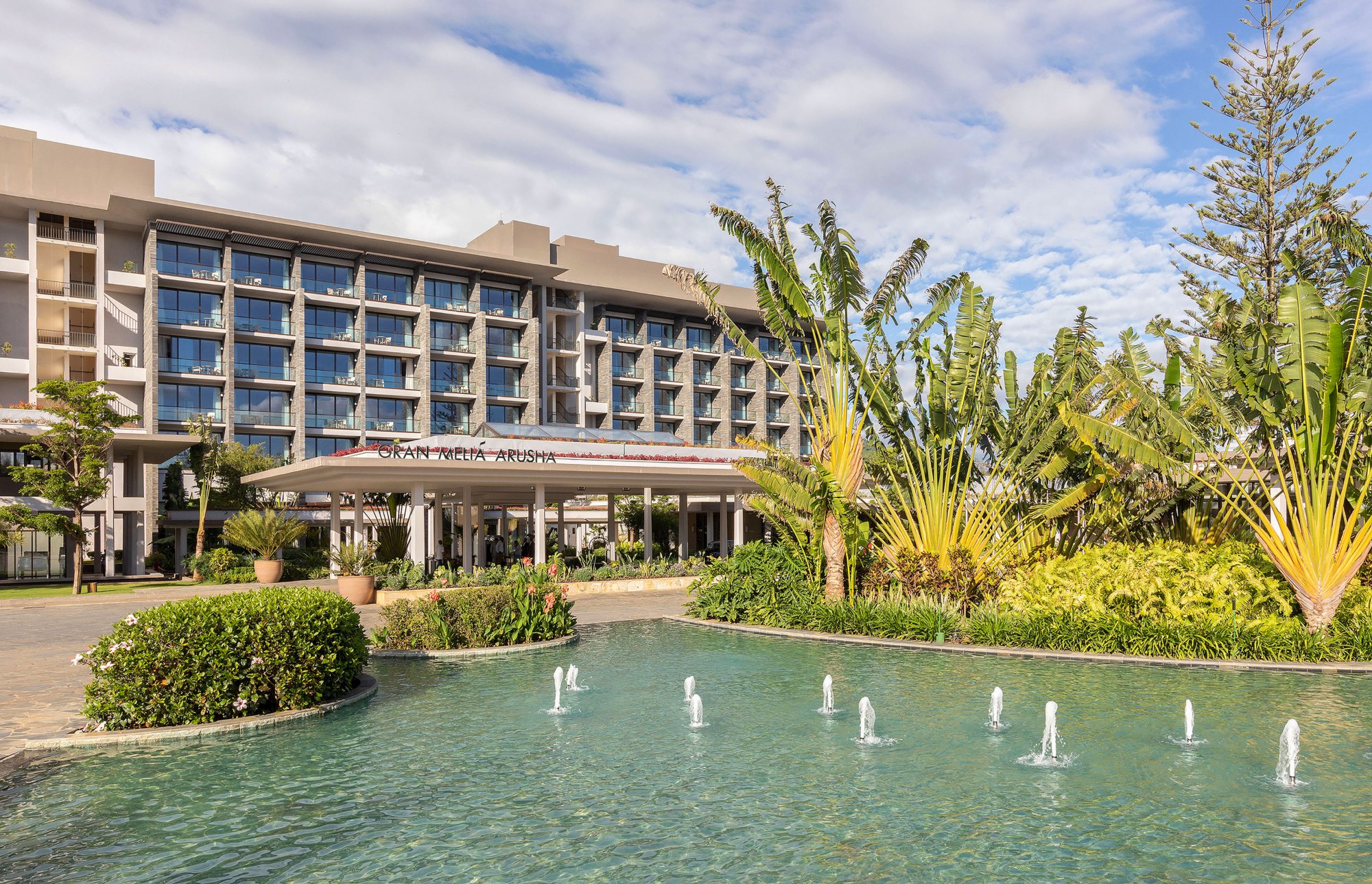
Gran Meliá Arusha
Polished five-star comfort, spa time and Mount Meru views make this the strongest splurge for the first night.
Check on Expedia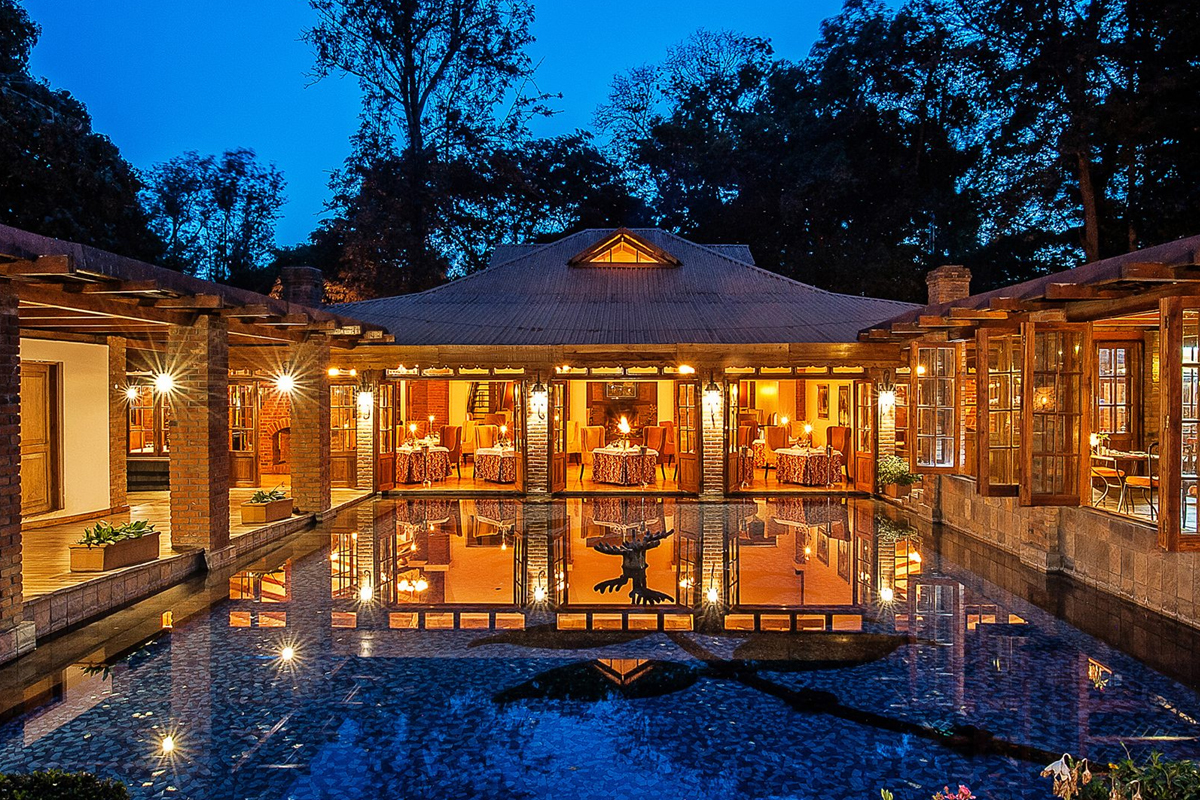
Elewana Arusha Coffee Lodge
A coffee-estate setting and plantation-style rooms give the arrival night more atmosphere than a conventional city hotel.
Check on Expedia
Mount Meru Hotel
A large established hotel with gardens, pool and spa facilities; practical when you want a straightforward pre-safari night.
Check on Expedia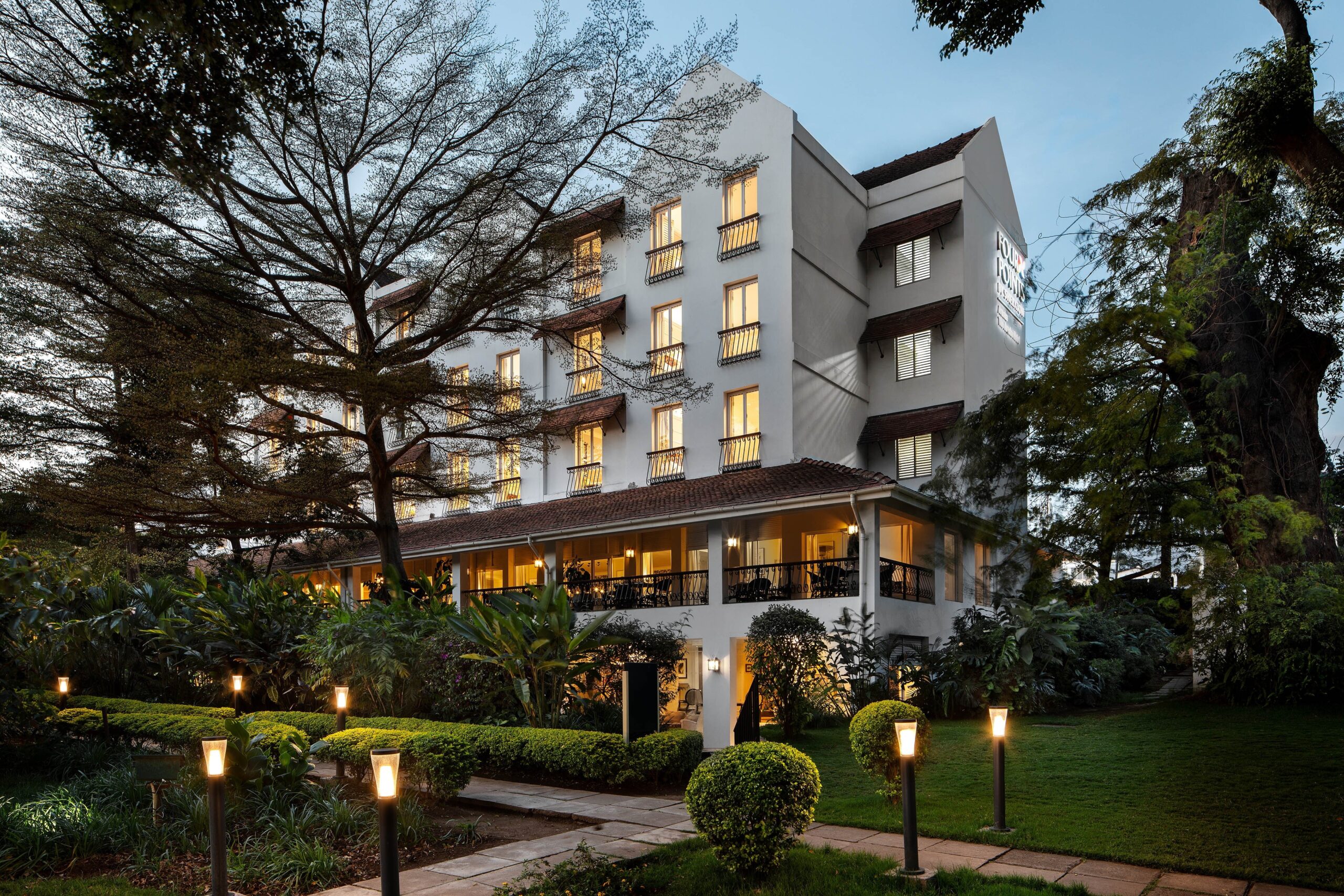
Four Points by Sheraton Arusha
A dependable central option with gardens and pool, useful if your flights and safari departure times matter more than resort atmosphere.
Check on Expedia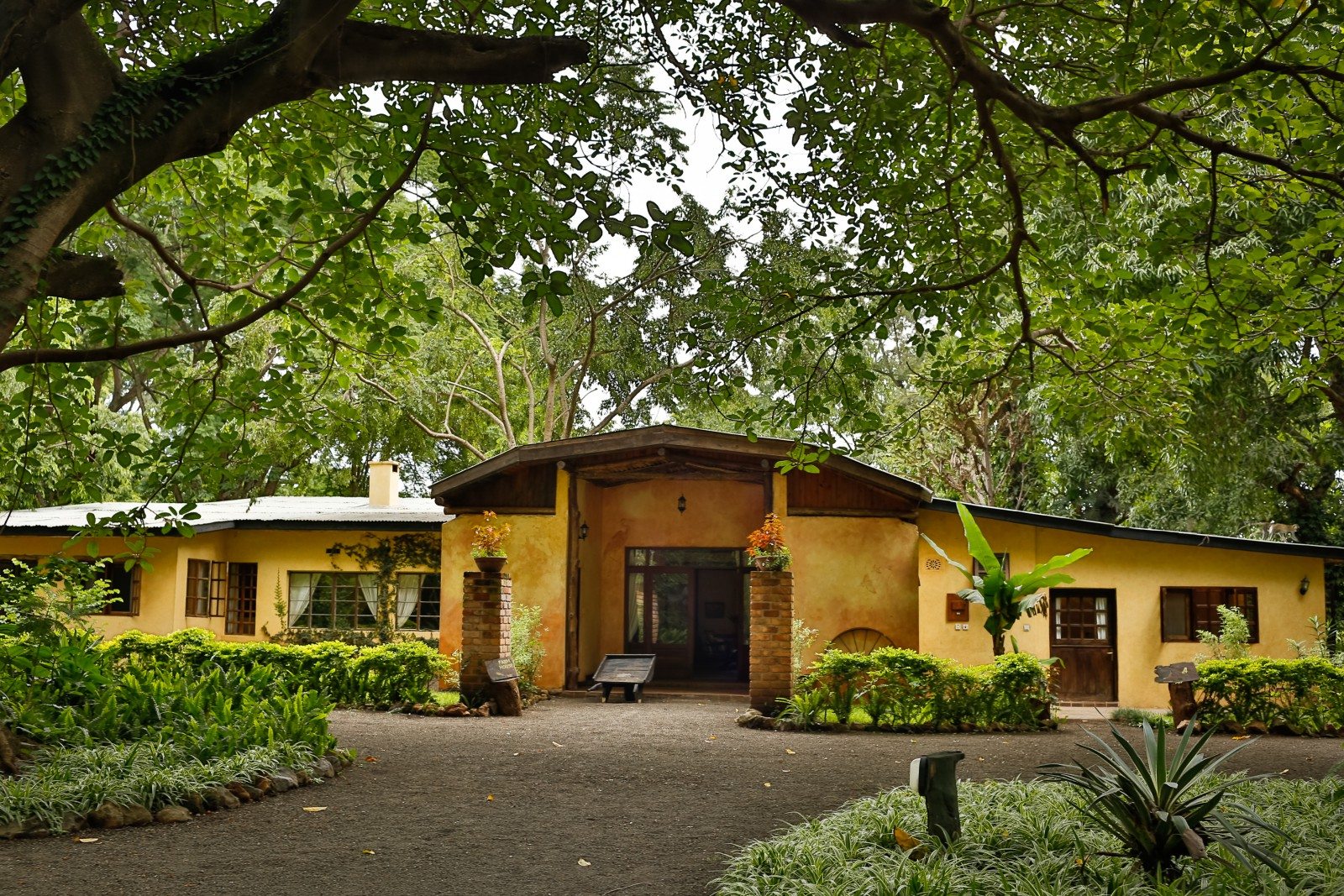
Rivertrees Country Inn
Choose this if you would rather begin the honeymoon in gardens beside the river than in central Arusha.
Check on ExpediaNights 2–3
Tarangire National Park
Two nights here create a different first chapter: baobabs, wide river landscapes and an unhurried first rhythm of game drives. It is the right place to slow down before the marquee parks, not to add another rushed box to tick.
Show 5 Tarangire lodge options
These options range from distinctive honeymoon splurges to more classic safari lodges. For this stop, location and atmosphere matter more than simply choosing the highest star rating.
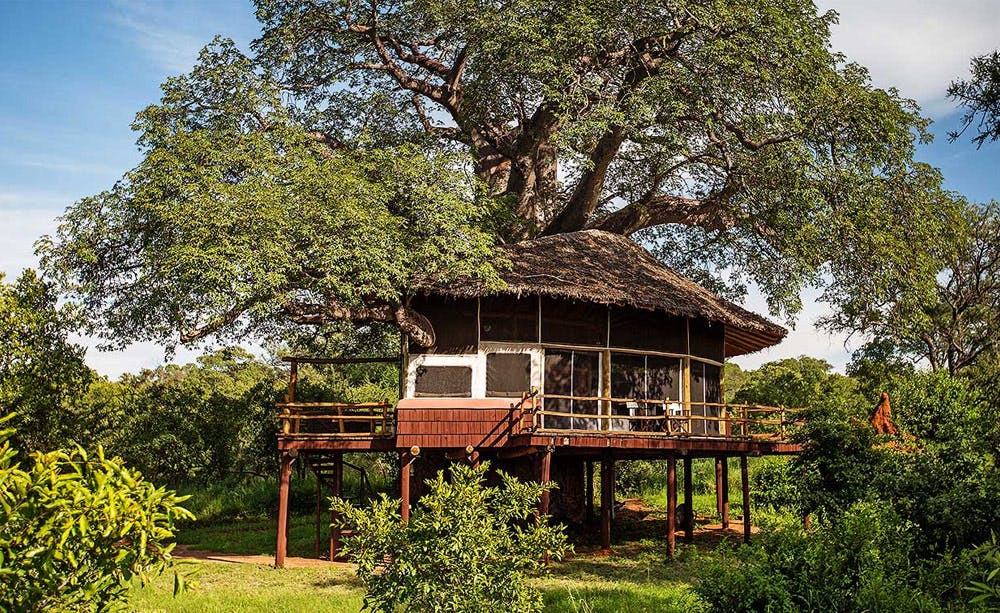
Elewana Tarangire Treetops
Elevated tree-house rooms and a strong sense of place make this one of the most memorable honeymoon choices around Tarangire.
Check on Expedia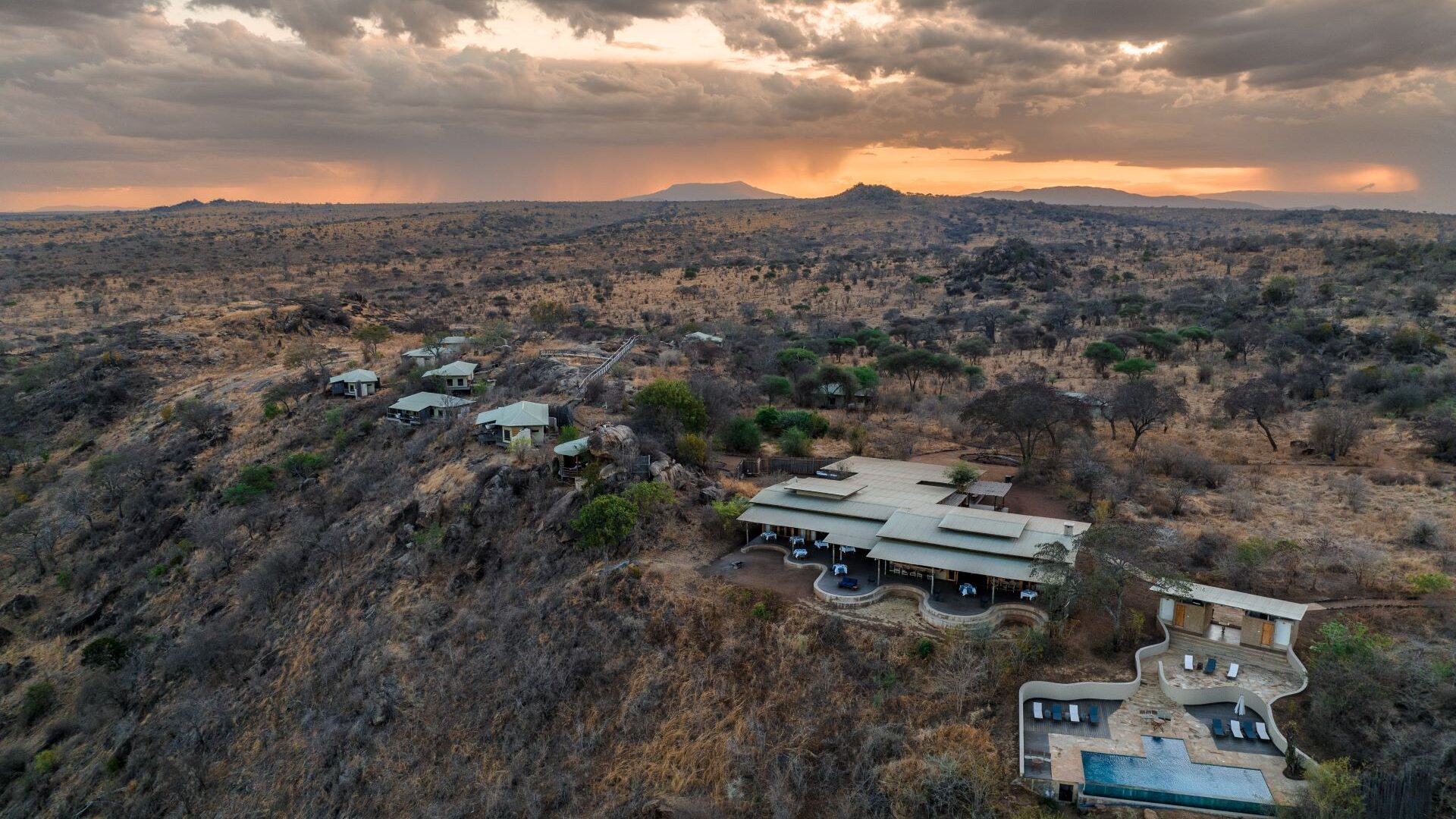
Lemala Mpingo Ridge
A more contemporary safari camp with broad views and a romantic ridge-top setting; especially strong if the lodge itself should feel special.
Check on Expedia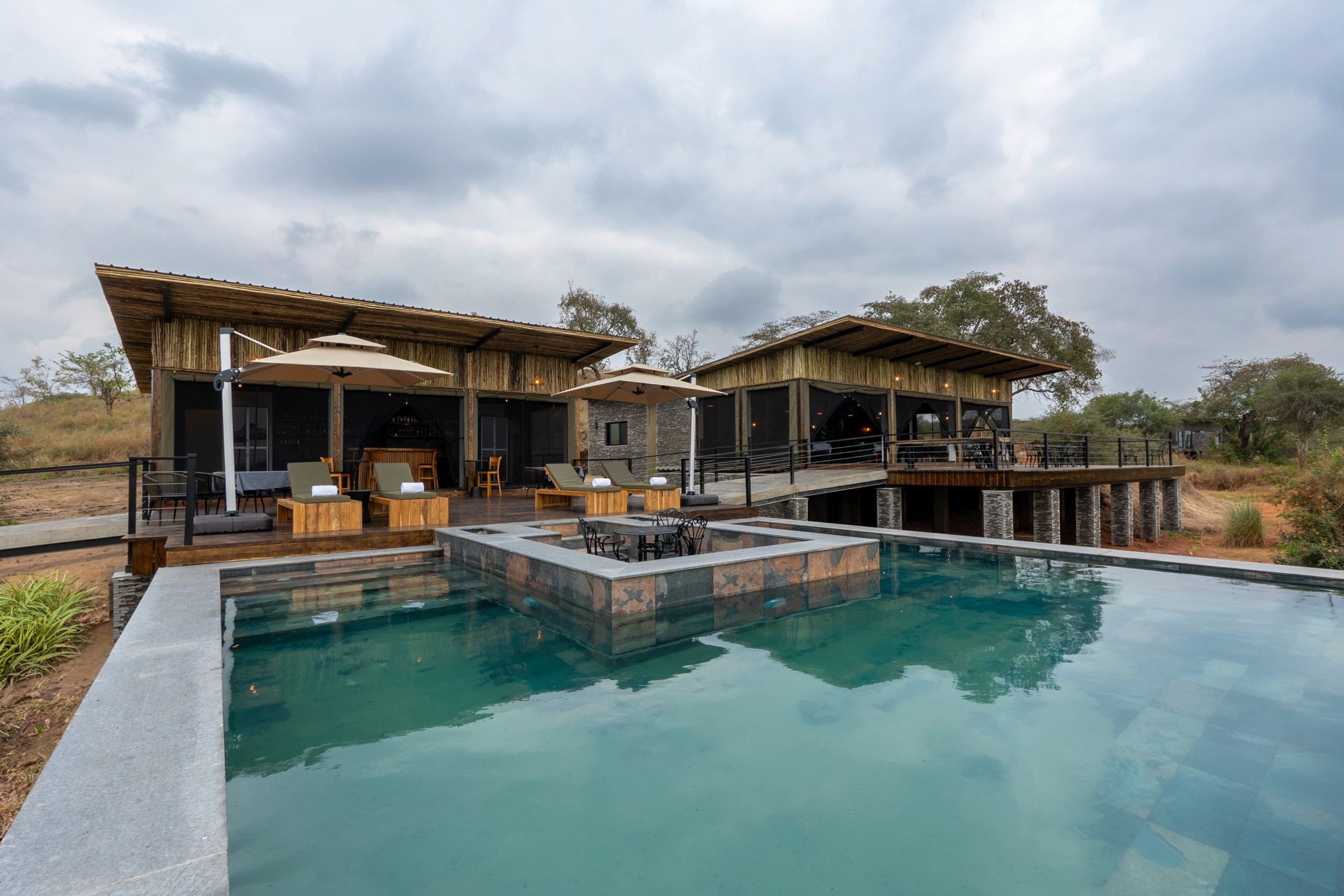
Tarangire Elephant Springs
Contemporary suites and an impressive pool setup make this a good match for couples who want safari wilderness with a polished finish.
Check on Expedia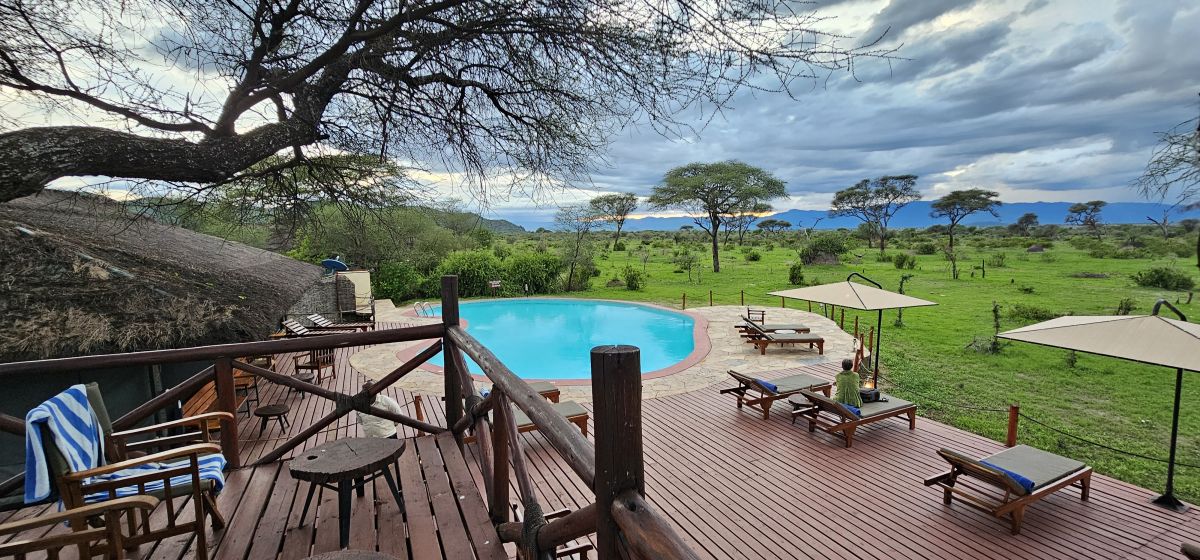
Tarangire Simba Lodge
A comfortable tented-lodge atmosphere with pool and wildlife views, balancing safari character with an approachable honeymoon feel.
Check on Expedia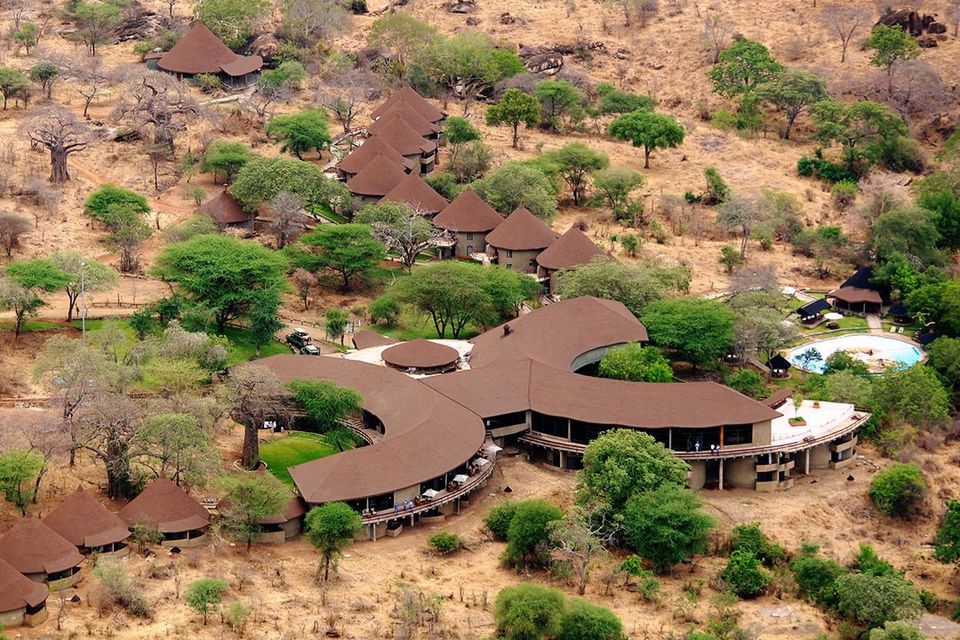
Tarangire Sopa Lodge
A straightforward in-park style option with pool and broad safari-lodge facilities; useful when location matters more than boutique design.
Check on ExpediaNights 4–5
Ngorongoro Highlands and Crater
Stay near the highlands or crater rim, then give the crater a dedicated early start and full day. The crater’s scale, steep rim and resident wildlife make it unlike the open Serengeti. Your guide should plan the day around entry timing, traffic and your interests.
Show 5 Ngorongoro lodge options
The main trade-off here is crater-rim position versus highlands space and value. Rim lodges make the crater morning especially easy; Karatu/highlands properties can give you larger grounds, spa time and a quieter resort feel.
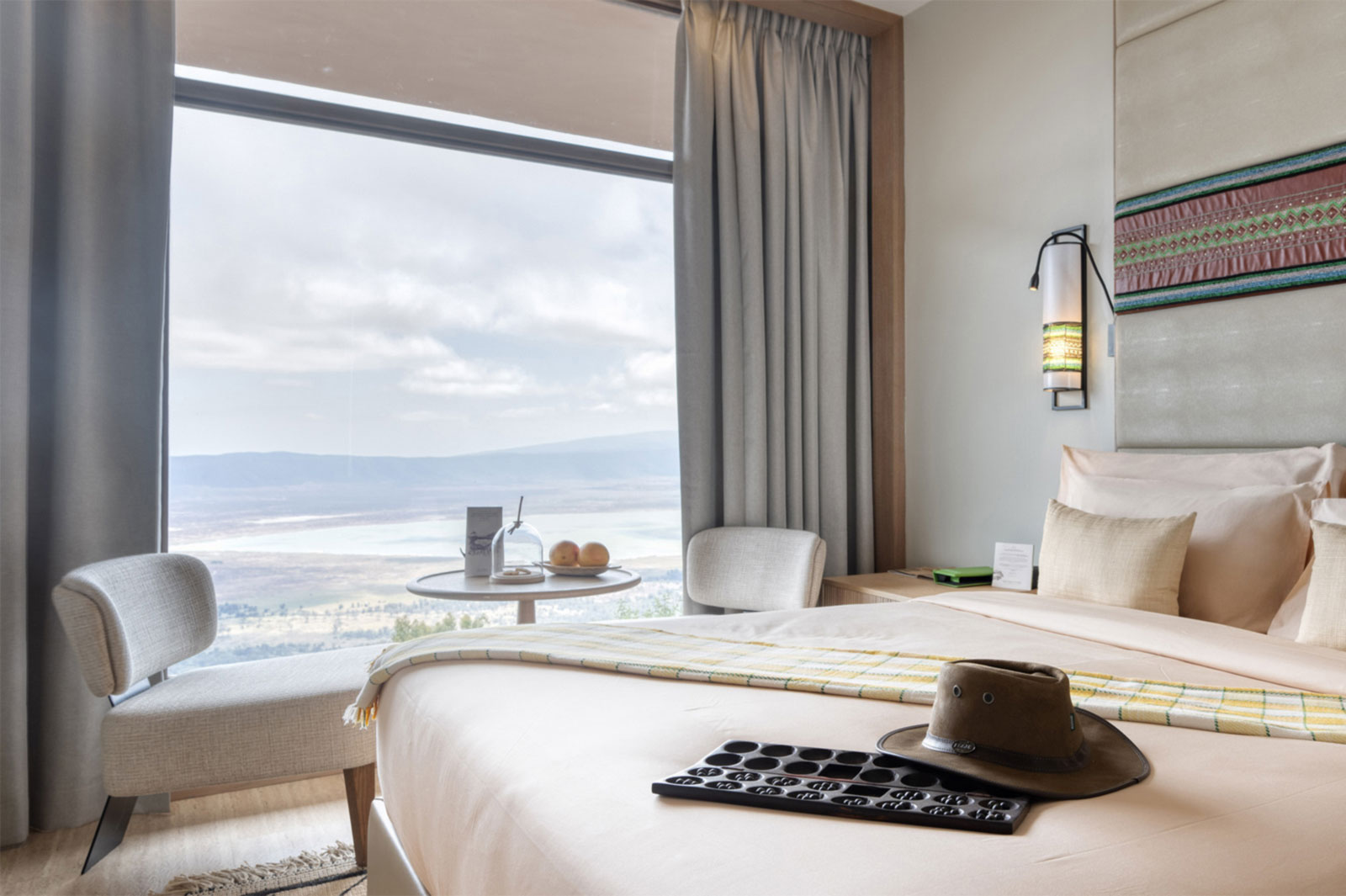
Ngorongoro Lodge, Meliá Collection
Design-led luxury on the crater rim, with views and a strong sense that the lodge itself is part of the honeymoon rather than just a base.
Check on Expedia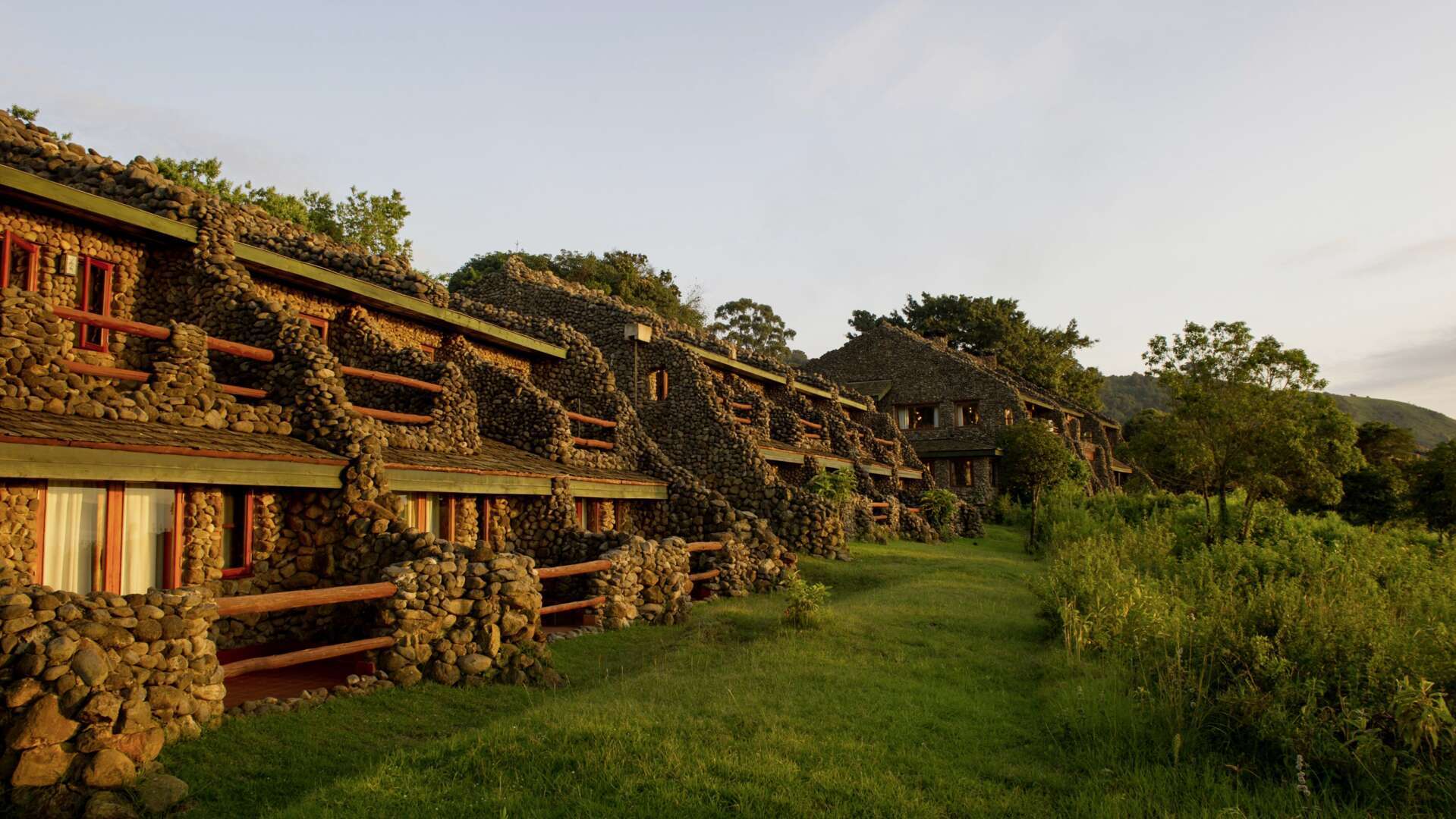
Ngorongoro Serena Safari Lodge
A classic choice when the rim location and an efficient early crater start matter more than having the newest hotel design.
Check on Expedia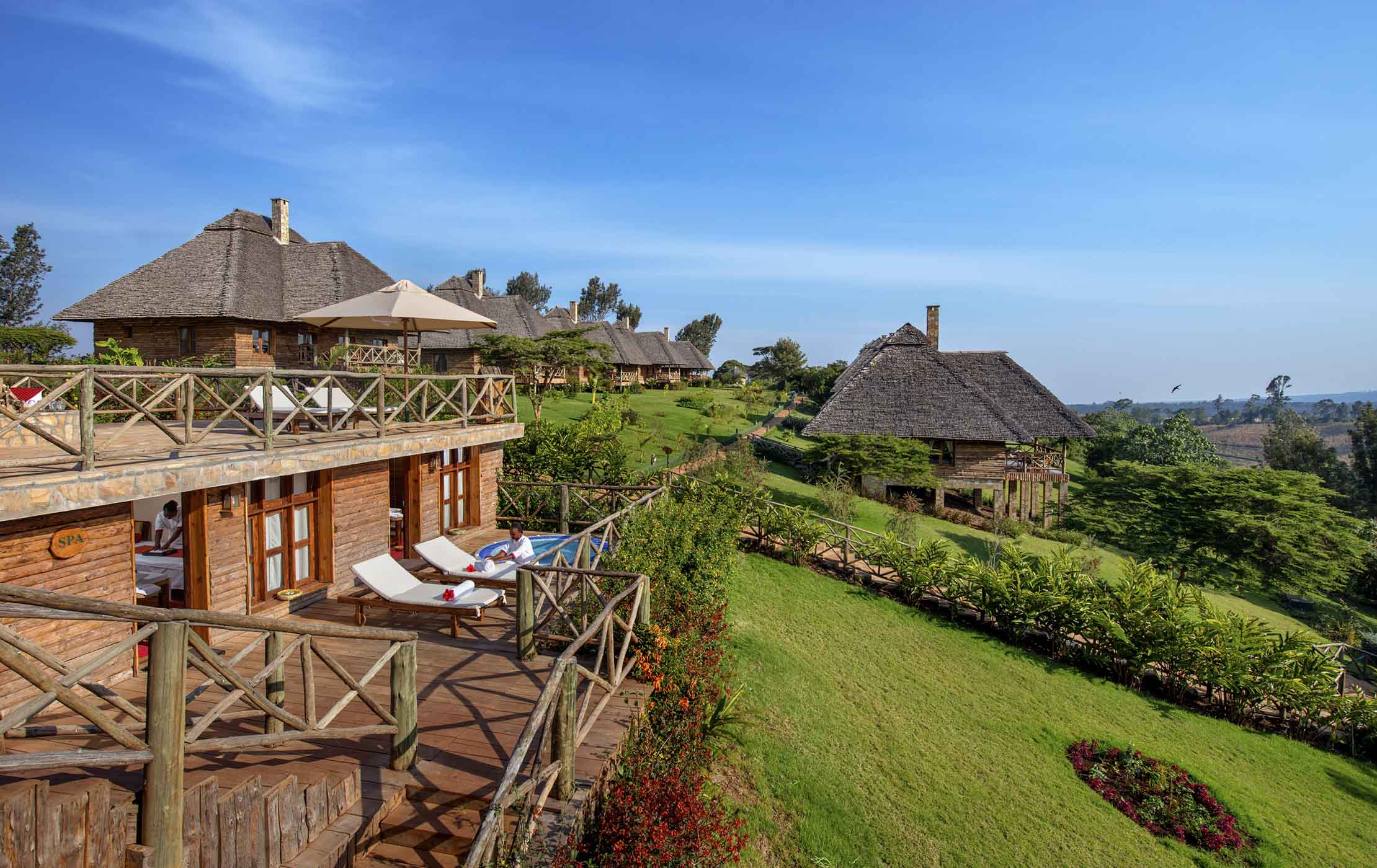
Neptune Ngorongoro Luxury Lodge
Spacious suites, gardens and spa facilities make this a good highlands alternative for couples who value room to unwind after game drives.
Check on Expedia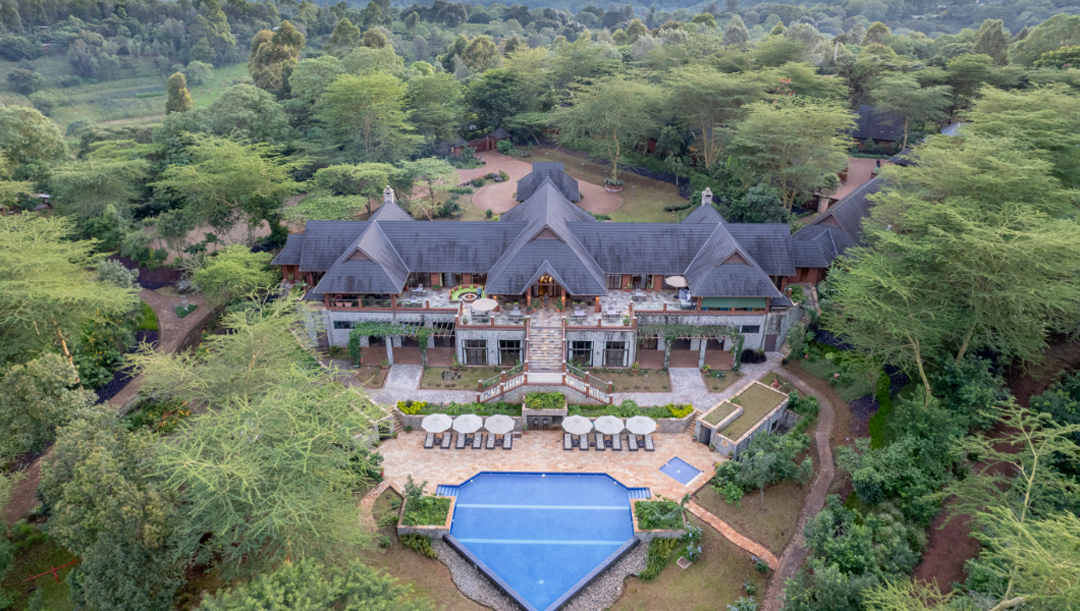
The Retreat at Ngorongoro
A leafy, quieter base near Karatu with generous grounds and a pool — a softer resort-style counterpoint to two very active safari days.
Check on Expedia
Turaco Ngorongoro Valley
A newer Tribute Portfolio lodge near Karatu for couples who prefer contemporary hotel polish over the more traditional safari-lodge look.
Check on ExpediaNights 6–7
Serengeti
Fly or drive into the Serengeti sector that suits your dates. Two nights work for a classic first-timer route; if migration viewing is central to the trip, move one Zanzibar night here and make it three. A good specialist will never promise a river crossing—rainfall and wildlife movements decide that.
Show 5 Serengeti lodge options
Choose the Serengeti area before the hotel. These five give you a useful range of full-service lodge and tented-camp styles, but the best base for your honeymoon still depends on your travel month and wildlife priorities.
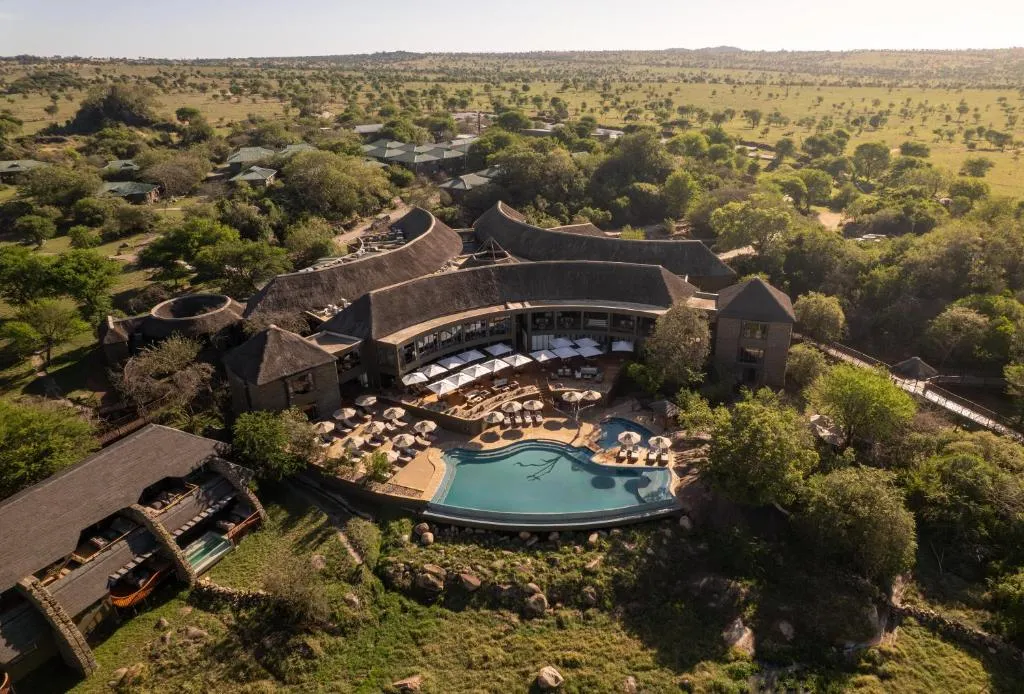
Four Seasons Safari Lodge Serengeti
Pool, spa and deep resort facilities make this the easiest choice when you want serious safari days without giving up five-star comfort.
Check on Expedia
Meliá Serengeti Lodge
A stylish Nyamuma Hills base with sweeping views, spa facilities and a more intimate contemporary feel than a large safari resort.
Check on Expedia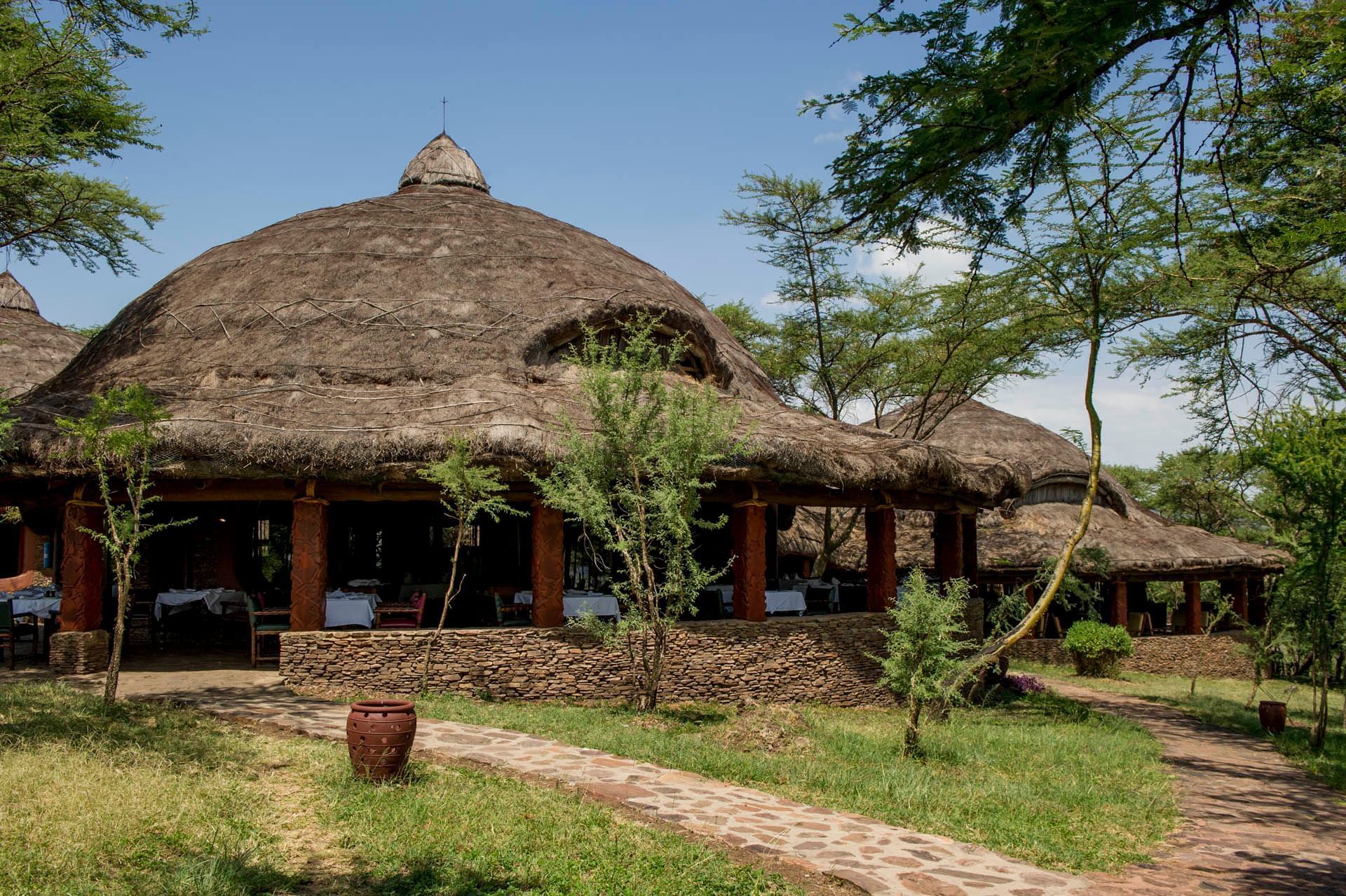
Serengeti Serena Safari Lodge
A long-established central Serengeti choice with a strong location for classic game viewing and a traditional safari-lodge atmosphere.
Check on Expedia
Ole Serai Luxury Camp
A more immersive under-canvas option for couples who want the evening atmosphere of a safari camp rather than a conventional hotel-style lodge.
Check on Expedia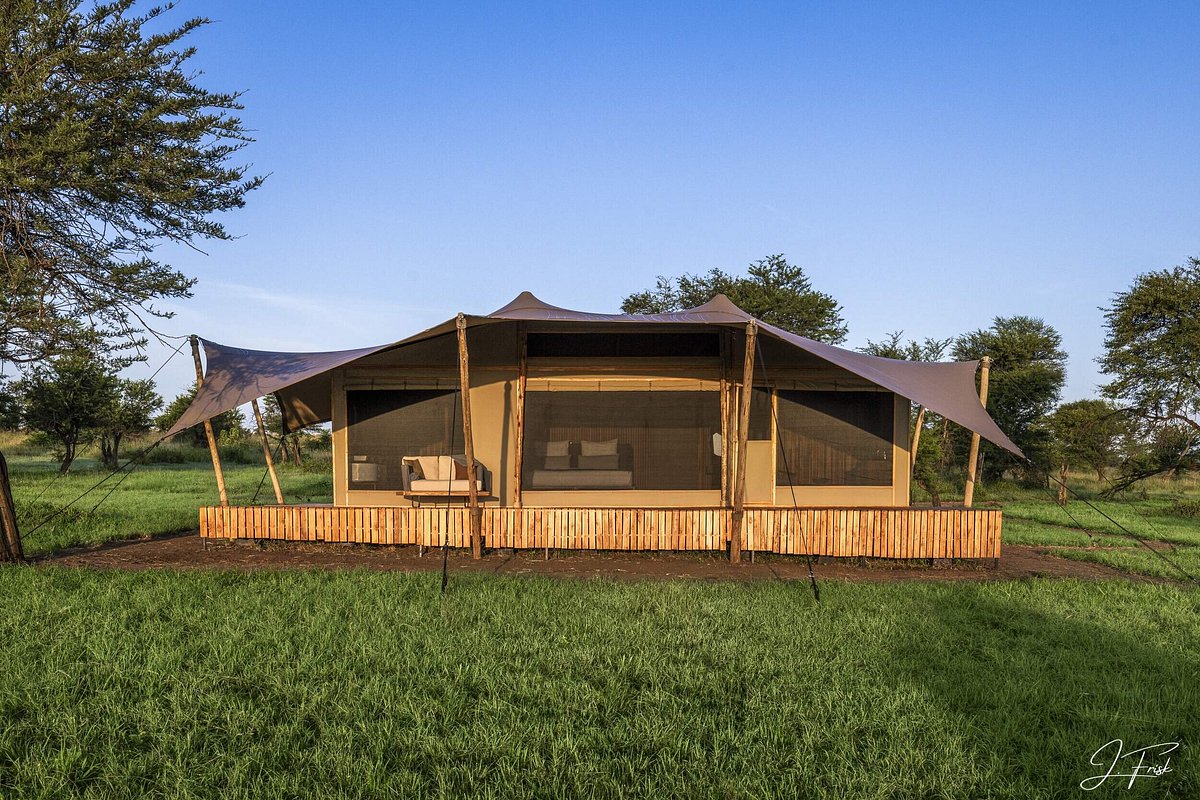
Anantya Serengeti
A central-Serengeti tented stay with a more approachable price profile than the top luxury names while still keeping you inside the safari landscape.
Check on ExpediaNights 8–12
Zanzibar: Stone Town and the beach
Use the first night for Stone Town if culture and food matter to you, then settle into one beach property. This is the recovery half of the trip: no early game-drive alarms, no unnecessary hotel-hopping and enough time for a dhow sail, snorkelling or doing very little.
Show 5 Zanzibar hotel options
Choose the coast as carefully as the hotel. Kendwa works especially well for easy swimming and sunsets; Dongwe and Kizimkazi are quieter and more resort-led. These five cover very different honeymoon styles.
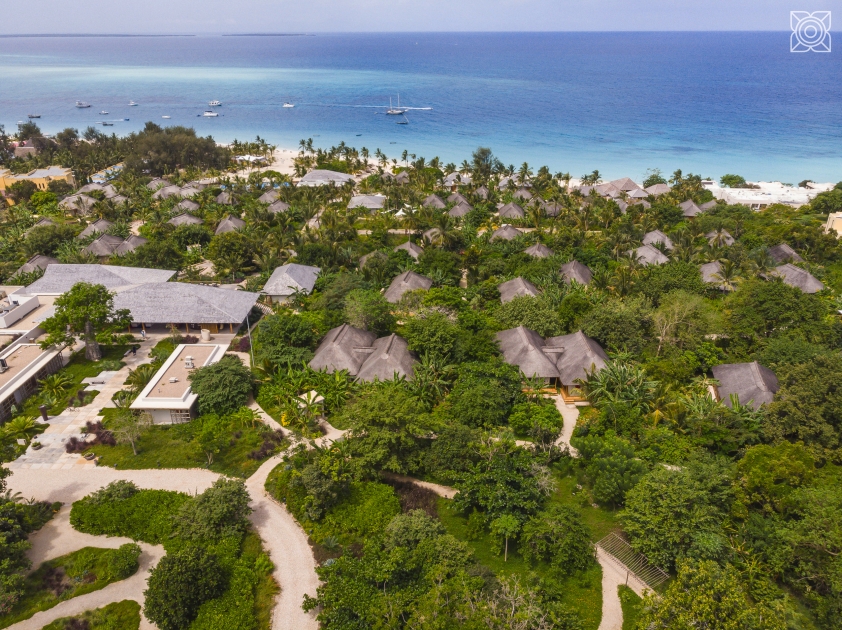
Zuri Zanzibar
Kendwa’s easy swimming and sunsets plus a polished resort, tropical gardens, spa and enough dining choice for several slow beach days.
Check on Expedia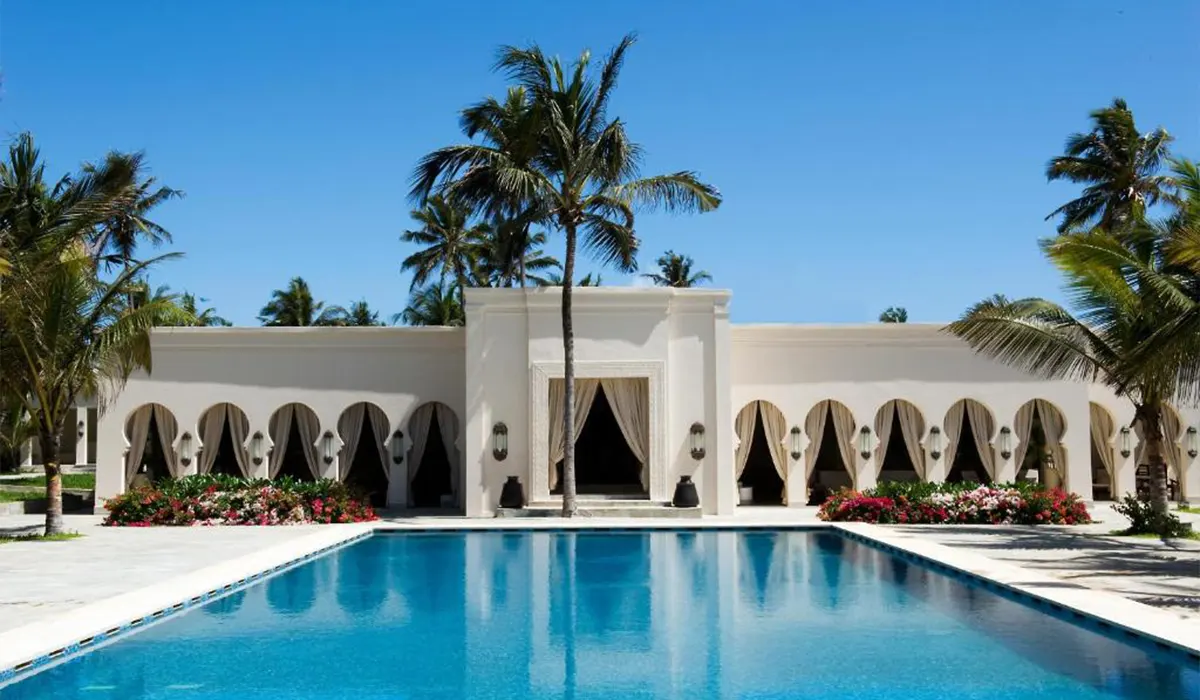
Baraza Resort & Spa Zanzibar
A romantic all-inclusive choice with villa-style accommodation and plunge-pool room options — ideal when you want to stop planning after safari.
Check on Expedia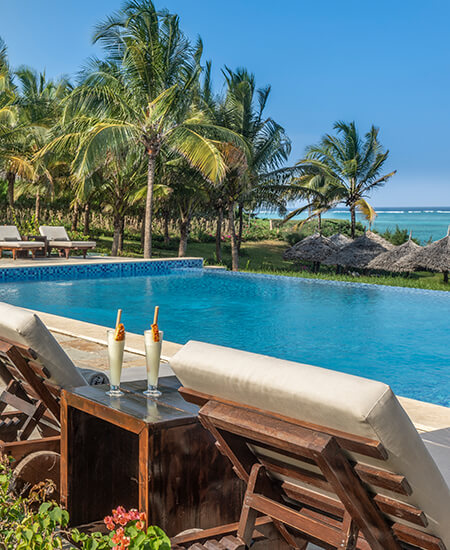
Zawadi Hotel Zanzibar
Smaller and more intimate than the island’s big resorts, with a quiet all-inclusive format that suits couples prioritising seclusion.
Check on Expedia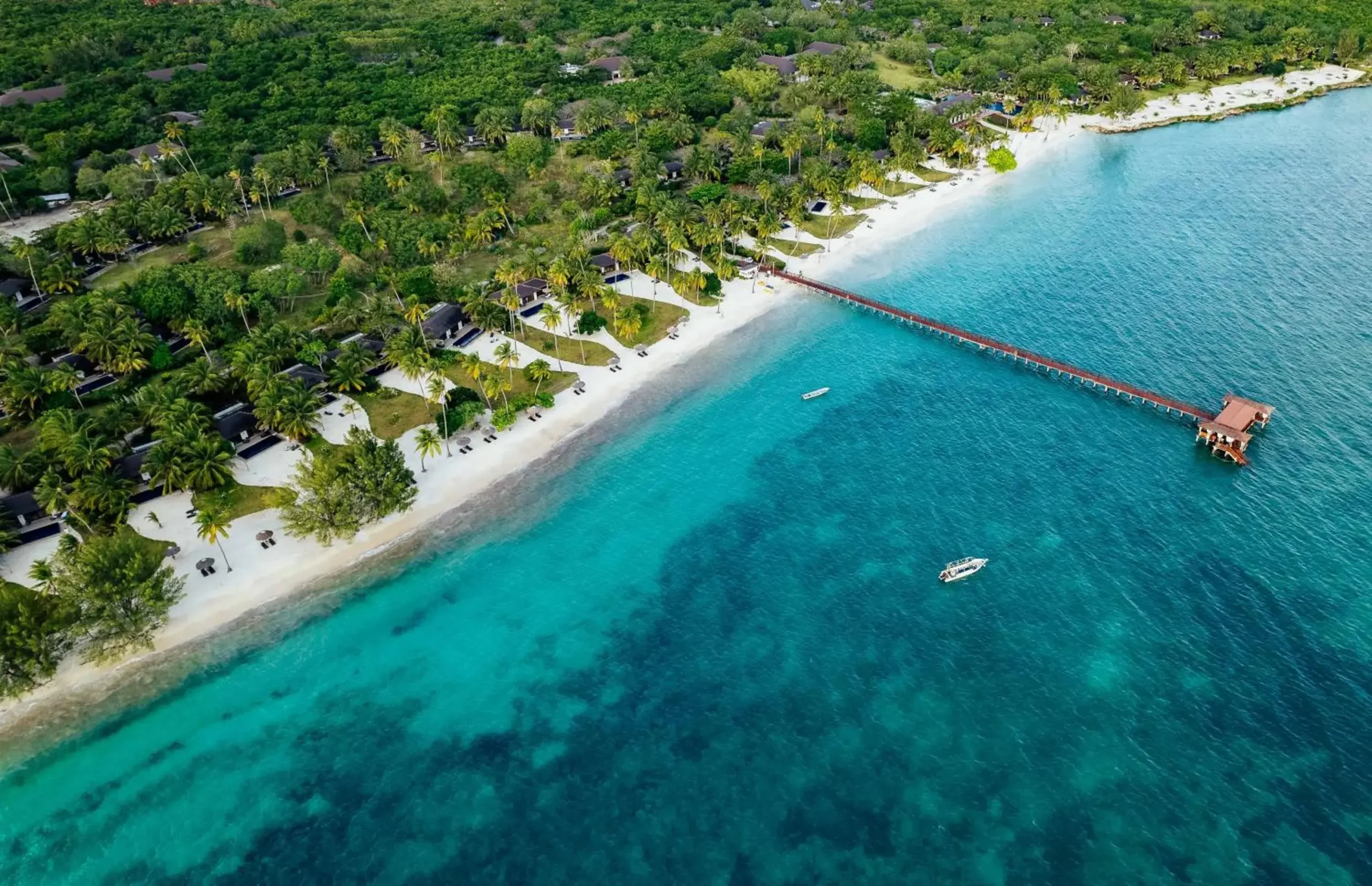
The Residence Zanzibar
A secluded south-west option with spacious villas and plenty of privacy, best for couples who are happy to spend most beach days inside the resort.
Check on Expedia
Tulia Zanzibar Unique Beach Resort
A quieter Pongwe stay with a more personal feel than the large all-inclusive resorts — strong for couples who want attentive service and downtime.
Check on ExpediaWant a wider comparison? See our 10 best Zanzibar honeymoon resorts.
Affiliate note: Expedia buttons inside the accommodation panels are affiliate links. If you book through them, honeymoons.africa may earn a commission at no extra cost to you. Safari operators may package the same lodges with transfers, park fees and game drives included.
Typical day-by-day flow: Day 1 Arusha · Days 2–3 Tarangire · Days 4–5 Ngorongoro · Days 6–7 Serengeti · Day 8 fly to Zanzibar · Days 9–12 beach, Stone Town or a slow mix of both · Day 13 depart. Keeping this sequence simple is what makes the trip feel like a honeymoon rather than a checklist.
Where should you stay in Zanzibar after safari?
Nungwi or Kendwa suit couples who want a lively choice of restaurants and an easygoing beach rhythm. Matemwe suits a quieter, more secluded feel. Paje or Jambiani suit couples who enjoy a more local, active coast and do not mind planning around the tides. The right answer depends on your beach personality—not on a stock itinerary.
When is the best time for a Tanzania and Zanzibar honeymoon?
There is no single month that is best for every couple. Northern Tanzania can be rewarding year-round, while the migration moves with rain and grazing rather than a guaranteed calendar. January and February can suit travellers interested in the southern plains and calving season; June to October is a popular drier period for both safari travel and Zanzibar beach weather. Your specialist should choose the Serengeti camp area after you choose your month.
If dates are flexible, ask for two versions of the route: one that follows your preferred beaches and one that follows the strongest wildlife area for your travel window. This small planning step is more valuable than copying a fixed “best itinerary” from the web.
How much does a Tanzania and Zanzibar honeymoon cost?
For the classic 12-night combination, honeymoons.africa uses about US$11,000 per couple as a realistic starting planning point. The total moves quickly with season, Serengeti camp location, private versus shared safari arrangements, internal flights and the Zanzibar room category.
Strong safari camps, efficient routing and a good Zanzibar beach hotel without choosing the highest-end lodge at every stop.
Higher-end crater and Serengeti stays, more private arrangements and a stronger Zanzibar suite, villa or all-inclusive resort.
Top safari names, premium migration positioning, private-pool or villa upgrades and more private flying or bespoke experiences.
These are broad planning bands for two people, not quotes. Always check whether international flights, park and conservation fees, internal flights, drinks and private game drives are included before comparing two offers. See our African honeymoon cost guide for the wider benchmark.
Questions couples ask before booking
Is 12 nights enough for Tanzania and Zanzibar?
Yes. It is enough for a first Northern Tanzania safari and a proper Zanzibar finish when you limit the safari to three key areas and stay in one beach base. Adding too many parks usually creates more packing and driving, not a better honeymoon.
How many nights should we spend on safari versus Zanzibar?
For this route, seven Northern Tanzania nights including arrival and five Zanzibar nights is a balanced first-time split. Couples travelling for the migration often trade one beach night for a third Serengeti night; couples who want maximum rest can keep the five-night Zanzibar finish.
Do we need Tarangire as well as Ngorongoro and the Serengeti?
No, but it is often the most satisfying addition in a 12-night route. It gives the trip a softer opening and a landscape that feels distinct from the crater and Serengeti. If you have less time, remove Tarangire rather than compress every stop into one-night stays.
Is Zanzibar only for beaches?
No. Include Stone Town if you enjoy food, history and Swahili culture, then use the coast for the beach part. The Zanzibar Commission for Tourism also highlights the islands’ marine life, diving and snorkelling alongside their beaches.
How much should we budget for a Tanzania and Zanzibar honeymoon?
For this 12-night route, use about US$11,000 per couple as a starting planning point. A more luxurious version with higher-end Serengeti and Ngorongoro lodges plus a stronger Zanzibar room or villa can move into roughly US$15,000–22,000, while exceptional versions can exceed US$25,000.
Can we book the safari lodges ourselves on Expedia?
Sometimes, yes. Several lodges on this route have Expedia listings, which is useful for comparing rooms and live availability. But safari operators often bundle accommodation with transfers, park fees, game drives and internal flights, so compare the complete package rather than the room price alone.
Photography via Unsplash: Tanzania Wild Sky, Ema Studios, Catherine Merlin and Mahir Abdelmajid. Planning references: UNESCO’s Ngorongoro Conservation Area profile and the Zanzibar Commission for Tourism.
Start Planning Your Dream Honeymoon
Share a few details and we’ll introduce you to specialists who know your destination properly. Free, and no obligation.